
Ketamine Powder: Uses, Effects, Safety, Risks & Complete Guide
What ketamine powder is, how ketamine works, medical uses, effects, side effects, safety concerns, research, and legal considerations.
Educational information — not medical advice. Last reviewed: [September 2026].
Ketamine is a prescription medication with established medical uses and a complex history in anesthesia, pain management, and psychiatric research.
The term ketamine powder can refer to a powdered pharmaceutical form of ketamine or, outside legitimate medical settings, an unidentified or illicit powder sold as ketamine. These situations should not be treated as equivalent.
Pharmaceutical ketamine is a controlled prescription medication. Its use, formulation, administration, and legal status depend on the jurisdiction and clinical context.
Ketamine has attracted significant scientific interest because of its effects on the brain’s glutamate system and because some ketamine-based treatments can produce relatively rapid changes in depressive symptoms in appropriately selected patients.
At the same time, ketamine has potential risks, including dissociation, increased blood pressure, impaired coordination, nausea, problematic use, and complications associated with repeated or heavy exposure.
This guide explains what ketamine powder is, how ketamine works, its medical uses, potential effects, safety concerns, psychiatric applications, research, and legal considerations.
Important: This article is educational and is not instructions for obtaining, preparing, measuring, or using ketamine outside appropriate medical care.
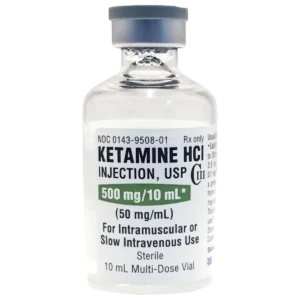
 Ketamine Liquid 500mg/10ml $500.00 – $5,500.00Price range: $500.00 through $5,500.00
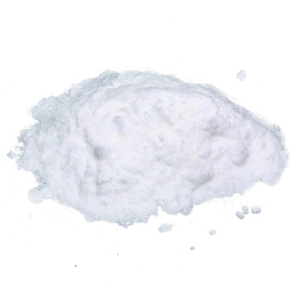
- Ketamine Powder 250mg $600.00 – $25,000.00Price range: $600.00 through $25,000.00
Guide Contents
Table of Contents
About This Resource: Psychedelics Solution
This guide is published by Psychedelics Solution as an educational resource, independent of any specific treatment page. Psychedelics Solution is based at 325 Whispering Pines Circle, Dallas, TX 75240.
Phone: +1 (854) 289-9996
- Ketamine Liquid 500mg/10ml $500.00 – $5,500.00Price range: $500.00 through $5,500.00
- Ketamine Powder 250mg $600.00 – $25,000.00Price range: $600.00 through $25,000.00
What Is Ketamine Powder?
Ketamine is a medication that can exist in different pharmaceutical formulations. The word “powder” describes a physical form rather than a unique type of ketamine — see our full explainer, What Is Ketamine Powder?, and our comparison of ketamine powder vs. liquid ketamine.
Pharmaceutical ketamine may be manufactured and supplied in forms appropriate for medical use, while illicit powders may have uncertain:
- Identity
- Purity
- Concentration
- Contaminants
- Manufacturing origin
- Storage history
An unidentified powder sold as “ketamine” cannot be assumed to contain pharmaceutical-grade ketamine. This distinction is important when evaluating information about ketamine.
- Ketamine Liquid 500mg/10ml $500.00 – $5,500.00Price range: $500.00 through $5,500.00
- Ketamine Powder 250mg $600.00 – $25,000.00Price range: $600.00 through $25,000.00
Is Ketamine Powder a Prescription Medication?
Ketamine is a prescription medication used in legitimate medical settings. Its regulatory classification and permitted uses vary between jurisdictions.
Medical ketamine may be used by appropriately qualified healthcare professionals for established medical indications, while some psychiatric uses may involve prescribing circumstances that differ from the medication’s originally approved indications. Patients should ask their healthcare professional:
- What formulation is being used?
- What is the medication approved for?
- What is the intended clinical use?
- Who is prescribing it?
- What monitoring is provided?
- Ketamine Liquid 500mg/10ml $500.00 – $5,500.00Price range: $500.00 through $5,500.00
- Ketamine Powder 250mg $600.00 – $25,000.00Price range: $600.00 through $25,000.00
What Is Ketamine Used For?
Ketamine has several established and investigated medical applications. Its history includes use in:
- Anesthesia
- Pain management
- Emergency medicine
- Veterinary medicine
- Psychiatric research
Ketamine has also become an important subject of research involving treatment-resistant depression, suicidal thinking associated with depression, PTSD, anxiety, chronic pain, and ketamine-assisted psychotherapy.
The strength of evidence varies considerably between these applications.
- Ketamine Liquid 500mg/10ml $500.00 – $5,500.00Price range: $500.00 through $5,500.00
- Ketamine Powder 250mg $600.00 – $25,000.00Price range: $600.00 through $25,000.00
How Does Ketamine Work?
Ketamine has complex effects on the central nervous system. One of its best-known pharmacological actions involves the NMDA receptor, which is part of the brain’s glutamate system — see our full mechanism guide, How Ketamine Works.
Glutamate is an important neurotransmitter involved in learning, memory, neural communication, and synaptic plasticity. Ketamine’s effects on glutamate signaling can influence downstream neural processes. Researchers believe these mechanisms may contribute to some of ketamine’s distinctive psychological and therapeutic effects. However, ketamine’s pharmacology is more complicated than simply saying that it “blocks NMDA receptors.”
Ketamine and the Glutamate System
Glutamate is one of the brain’s major neurotransmitters. It participates in communication between neurons and plays an important role in learning, memory, brain development, synaptic signaling, and plasticity. Ketamine’s interaction with glutamate signaling is one reason it differs from conventional antidepressant medications. This difference has driven extensive research into ketamine’s potential psychiatric effects.
Ketamine and NMDA Receptors
NMDA receptors are a class of glutamate receptors involved in neural signaling and plasticity. Ketamine can inhibit NMDA receptor activity in a way that produces downstream changes in neural signaling. Researchers have proposed that these changes may contribute to ketamine’s rapid antidepressant effects. However, no single mechanism fully explains everything ketamine does in the brain.
Ketamine and Neuroplasticity
Neuroplasticity refers to the brain’s ability to change its connections and patterns of activity. Research suggests ketamine can influence processes associated with synaptic plasticity. This has led to significant interest in whether ketamine can create a temporary period in which certain forms of psychological and behavioral change become more accessible. Popular descriptions sometimes call this “rewiring the brain.” That phrase is an oversimplification — the actual biology involves complex changes in neural signaling and synaptic function.
- Ketamine Liquid 500mg/10ml $500.00 – $5,500.00Price range: $500.00 through $5,500.00
- Ketamine Powder 250mg $600.00 – $25,000.00Price range: $600.00 through $25,000.00
What Does Ketamine Feel Like?
Ketamine can produce significant changes in perception and consciousness. Depending on the circumstances, people may experience:
- Dissociation
- Dreamlike sensations
- Altered perception
- Changes in time perception
- Changes in body awareness
- Drowsiness
- Emotional changes
- Reduced awareness of the surrounding environment
Some May Experience
Others may experience:
- Anxiety
- Confusion
- Fear
- Nausea
- Dizziness
- Psychological distress
The experience varies between individuals.
What Is Ketamine Dissociation?
Dissociation refers to a temporary change in the normal sense of connection between thoughts, body, perception, environment, and sense of self. Ketamine is well known for producing dissociative effects. The intensity can vary according to numerous factors. A stronger subjective experience should not automatically be interpreted as a better therapeutic outcome.
Ketamine Powder Effects
Ketamine’s effects can involve both the body and mind — see our detailed guide, Ketamine Powder Effects. Potential acute effects include:
Psychological Effects
- Dissociation
- Altered perception
- Changes in awareness
- Dreamlike experiences
- Confusion
- Emotional changes
Physical Effects
- Increased blood pressure
- Increased heart rate
- Dizziness
- Nausea
- Drowsiness
- Impaired coordination
Ketamine Side Effects
Potential side effects include:
- Nausea
- Dizziness
- Drowsiness
- Increased blood pressure
- Increased heart rate
- Dissociation
- Confusion
- Perceptual changes
- Coordination difficulties
- Anxiety or psychological distress
Patients should discuss potential adverse effects with a healthcare professional before treatment. See our full guide to Ketamine Powder Side Effects.
- Ketamine Liquid 500mg/10ml $500.00 – $5,500.00Price range: $500.00 through $5,500.00
- Ketamine Powder 250mg $600.00 – $25,000.00Price range: $600.00 through $25,000.00
Is Ketamine Dangerous?
Ketamine can be used medically, but it is not risk-free. Risk depends on factors including:
- Medical history
- Psychiatric history
- Medication interactions
- Dose
- Formulation
- Route of administration
- Treatment setting
- Frequency of exposure
Unsupervised use introduces additional uncertainty because the identity and concentration of an illicit powder may not be reliable.
- Ketamine Liquid 500mg/10ml $500.00 – $5,500.00Price range: $500.00 through $5,500.00
- Ketamine Powder 250mg $600.00 – $25,000.00Price range: $600.00 through $25,000.00
Long-Term Ketamine Risks
Repeated or heavy ketamine exposure can be associated with additional concerns — see our full guide, Long-Term Ketamine Risks. These may include:
- Problematic use
- Dependence
- Urinary tract complications
- Bladder damage
- Liver-related complications
- Cognitive concerns
- Other medical complications
These risks are particularly important when ketamine is used outside appropriate medical supervision. People receiving repeated medically supervised treatment should discuss ongoing monitoring with their healthcare professional.
- Ketamine Liquid 500mg/10ml $500.00 – $5,500.00Price range: $500.00 through $5,500.00
- Ketamine Powder 250mg $600.00 – $25,000.00Price range: $600.00 through $25,000.00
Ketamine and the Bladder
One of the better-known complications associated with repeated heavy ketamine exposure is damage to the urinary system — see our dedicated guide, Ketamine and the Bladder. Potential symptoms can include:
- Frequent urination
- Urinary urgency
- Painful urination
- Pelvic discomfort
- Blood in the urine
- Persistent urinary symptoms
A condition known as ketamine-associated uropathy can involve serious urinary and bladder problems. Anyone experiencing persistent urinary symptoms should seek medical evaluation.
- Ketamine Liquid 500mg/10ml $500.00 – $5,500.00Price range: $500.00 through $5,500.00
- Ketamine Powder 250mg $600.00 – $25,000.00Price range: $600.00 through $25,000.00
Can Ketamine Cause Addiction?
Ketamine can be misused and can lead to problematic patterns of use — see our full guide, Ketamine Dependence & Addiction. Potential warning signs include:
- Increasing preoccupation with ketamine
- Using it despite negative consequences
- Difficulty controlling use
- Continuing use despite physical problems
- Neglecting responsibilities
- Repeated unsuccessful attempts to stop
People concerned about their ketamine use should speak with a qualified healthcare professional or addiction specialist.
Ketamine Tolerance
Repeated exposure can lead to changes in how the body and brain respond to a substance. Tolerance means that the same exposure may produce a different effect over time. This can contribute to escalating use outside medical settings. Patients should never attempt to change their prescribed treatment regimen independently.
Ketamine Withdrawal
People who have developed problematic patterns of ketamine use may experience psychological or physical difficulties when stopping. Withdrawal experiences can vary. Anyone concerned about dependence should seek professional support rather than attempting to manage severe substance-related problems alone.
- Ketamine Liquid 500mg/10ml $500.00 – $5,500.00Price range: $500.00 through $5,500.00
- Ketamine Powder 250mg $600.00 – $25,000.00Price range: $600.00 through $25,000.00
Ketamine for Depression
Ketamine has become an important area of research in depression, particularly treatment-resistant depression. Some clinical research has found relatively rapid reductions in depressive symptoms following certain ketamine treatments. Researchers continue investigating how ketamine produces antidepressant effects, which patients benefit most, how long benefits last, how repeated treatment should be approached, whether psychotherapy improves outcomes, and how ketamine compares with other treatments.
Ketamine should not be described as a guaranteed cure for depression. Read our full guide: Ketamine for Depression.
- Ketamine Liquid 500mg/10ml $500.00 – $5,500.00Price range: $500.00 through $5,500.00
- Ketamine Powder 250mg $600.00 – $25,000.00Price range: $600.00 through $25,000.00
Ketamine for PTSD
Researchers have investigated ketamine as a potential treatment for PTSD. Areas of interest include its effects on fear-related learning, emotional processing, stress responses, synaptic plasticity, and neural connectivity. Some studies have reported improvements in PTSD symptoms. However, evidence continues to develop, and treatment decisions should be made by qualified clinicians.
Read our full guide: Ketamine for PTSD.
- Ketamine Liquid 500mg/10ml $500.00 – $5,500.00Price range: $500.00 through $5,500.00
- Ketamine Powder 250mg $600.00 – $25,000.00Price range: $600.00 through $25,000.00
Ketamine for Anxiety
Ketamine has also been studied in connection with anxiety symptoms. Research has examined potential effects involving generalized anxiety, social anxiety, anxiety associated with depression, and severe anxiety symptoms. The evidence varies by diagnosis. Ketamine should not automatically be considered a first-line treatment for every anxiety disorder.
Read our full guide: Ketamine for Anxiety.
- Ketamine Liquid 500mg/10ml $500.00 – $5,500.00Price range: $500.00 through $5,500.00
- Ketamine Powder 250mg $600.00 – $25,000.00Price range: $600.00 through $25,000.00
Ketamine-Assisted Psychotherapy
Ketamine-assisted psychotherapy, or KAP, combines ketamine treatment with psychotherapy. A treatment program may involve:
Assessment → Preparation → Ketamine Treatment → Integration → Follow-Up
The exact model varies. Psychotherapy may help patients explore thoughts, emotions, memories, behavioral patterns, coping strategies, and treatment goals. Ketamine does not replace the need for qualified psychological care.
Read our full guide: Ketamine-Assisted Psychotherapy.
- Ketamine Liquid 500mg/10ml $500.00 – $5,500.00Price range: $500.00 through $5,500.00
- Ketamine Powder 250mg $600.00 – $25,000.00Price range: $600.00 through $25,000.00
Ketamine vs. Esketamine
Esketamine is the S-enantiomer of ketamine. Although the medications are closely related, they are not identical products. They can differ in formulation, administration, regulatory status, approved indications, and clinical protocols. Patients should ask their clinician which medication is being prescribed and why.
Read our full comparison: Ketamine vs. Esketamine.
- Ketamine Liquid 500mg/10ml $500.00 – $5,500.00Price range: $500.00 through $5,500.00
- Ketamine Powder 250mg $600.00 – $25,000.00Price range: $600.00 through $25,000.00
Ketamine vs. Traditional Antidepressants
Ketamine differs from many conventional antidepressants in its primary pharmacological effects. Many traditional antidepressants influence neurotransmitter systems such as serotonin, norepinephrine, and dopamine. Ketamine has important effects involving glutamate, NMDA receptors, synaptic signaling, and plasticity-related pathways.
One notable difference is that ketamine can produce relatively rapid symptom changes in some patients. However, rapid onset does not mean it is automatically more effective or appropriate for everyone.
- Ketamine Liquid 500mg/10ml $500.00 – $5,500.00Price range: $500.00 through $5,500.00
- Ketamine Powder 250mg $600.00 – $25,000.00Price range: $600.00 through $25,000.00
Is Ketamine a Psychedelic?
Ketamine can produce profound changes in perception and consciousness and is sometimes discussed alongside psychedelic therapies. Pharmacologically, however, ketamine is generally classified as a dissociative anesthetic, rather than a classic psychedelic. Classic psychedelics such as psilocybin primarily act through different pharmacological pathways. The distinction matters when interpreting research and treatment claims.
- Ketamine Liquid 500mg/10ml $500.00 – $5,500.00Price range: $500.00 through $5,500.00
- Ketamine Powder 250mg $600.00 – $25,000.00Price range: $600.00 through $25,000.00
Ketamine Research
Ketamine remains an active area of scientific research — see our full research overview, Ketamine Research. Researchers are studying:
- Depression
- PTSD
- Anxiety
- Chronic pain
- Neuroplasticity
- Brain connectivity
- Emotional processing
- Treatment-resistant psychiatric conditions
Important research questions remain unanswered. Scientists continue investigating optimal treatment protocols, long-term outcomes, patient selection, safety, and how ketamine should be integrated with psychotherapy and other treatments.
What Does the Research Say About Ketamine?
The research landscape is promising in some areas but should be interpreted carefully. Some studies have demonstrated rapid antidepressant effects. Other areas have smaller evidence bases or mixed findings. Research limitations can include:
- Small sample sizes
- Different treatment protocols
- Short follow-up periods
- Differences between patient populations
- Difficulty comparing treatment models
- Limited long-term data
A responsible medical resource should distinguish established findings from emerging research.
- Ketamine Liquid 500mg/10ml $500.00 – $5,500.00Price range: $500.00 through $5,500.00
- Ketamine Powder 250mg $600.00 – $25,000.00Price range: $600.00 through $25,000.00
Is Ketamine FDA Approved?
The answer depends on the specific ketamine-related product and indication. Ketamine itself has established medical uses. Esketamine has specific regulatory approval for certain psychiatric indications. Some psychiatric uses of ketamine may involve off-label prescribing. Patients should ask their clinician exactly which formulation is being used and what regulatory status applies to the proposed treatment.
Is Ketamine Powder Legal?
Ketamine’s legal status varies by jurisdiction. In many jurisdictions, pharmaceutical ketamine is controlled and available only through authorized medical channels. The legality of possessing, selling, purchasing, importing, or distributing ketamine can depend on country, state or province, intended use, quantity, prescription status, and authorization.
Therefore, statements such as “ketamine powder is legal” or “ketamine powder is illegal everywhere” are overly broad. Always consult current laws and qualified legal or medical professionals for jurisdiction-specific questions. See our full guide: Ketamine Powder Legal Status.
- Ketamine Liquid 500mg/10ml $500.00 – $5,500.00Price range: $500.00 through $5,500.00
- Ketamine Powder 250mg $600.00 – $25,000.00Price range: $600.00 through $25,000.00
Why Buying Unidentified Ketamine Powder Is Risky
A powder sold as ketamine may not have reliable pharmaceutical quality. Potential uncertainties include:
- Incorrect identity
- Unknown concentration
- Contamination
- Adulteration
- Improper storage
- Manufacturing impurities
There is also no guarantee that a product marketed online actually contains the substance claimed. For these reasons, people should not use unidentified powders as substitutes for medically supervised treatment.
- Ketamine Liquid 500mg/10ml $500.00 – $5,500.00Price range: $500.00 through $5,500.00
- Ketamine Powder 250mg $600.00 – $25,000.00Price range: $600.00 through $25,000.00
Medical Ketamine vs. Unidentified Ketamine Powder
| Factor | Pharmaceutical Ketamine | Unidentified/Illicit Powder |
|---|---|---|
| Source | Authorized pharmaceutical supply | Unknown |
| Identity | Known | Uncertain |
| Quality control | Regulated | May be absent |
| Concentration | Controlled | Unknown |
| Medical supervision | Possible | Typically absent |
| Clinical screening | Possible | Usually absent |
| Monitoring | Possible | Usually absent |
| Legal status | Depends on jurisdiction/use | May involve serious legal issues |
The distinction is critical. The fact that two substances are both described as “ketamine powder” does not mean they have the same safety profile.
- Ketamine Liquid 500mg/10ml $500.00 – $5,500.00Price range: $500.00 through $5,500.00
- Ketamine Powder 250mg $600.00 – $25,000.00Price range: $600.00 through $25,000.00
Ketamine and Alcohol
Alcohol can affect the central nervous system. Combining ketamine with alcohol or other substances that produce sedation or altered consciousness can increase risks. Patients should follow their healthcare provider’s instructions regarding alcohol before and after treatment.
Ketamine Drug Interactions
Patients should disclose all medications and substances they use. This includes:
- Prescription medications
- Over-the-counter medications
- Supplements
- Alcohol
- Recreational substances
Do not assume that combining ketamine with another substance is safe based on information found online. A qualified clinician or pharmacist can assess potential interactions.
- Ketamine Liquid 500mg/10ml $500.00 – $5,500.00Price range: $500.00 through $5,500.00
- Ketamine Powder 250mg $600.00 – $25,000.00Price range: $600.00 through $25,000.00
Who Should Not Receive Ketamine?
Ketamine may not be appropriate for everyone. A clinician may need to consider:
- Cardiovascular conditions
- Blood pressure
- Psychiatric history
- Current medications
- Substance-use history
- Liver health
- Pregnancy-related considerations
- Previous reactions to ketamine
- Other medical conditions
Eligibility must be determined individually.
- Ketamine Liquid 500mg/10ml $500.00 – $5,500.00Price range: $500.00 through $5,500.00
- Ketamine Powder 250mg $600.00 – $25,000.00Price range: $600.00 through $25,000.00
How Is Ketamine Therapy Administered?
Medical ketamine can be provided in different formulations and through different routes depending on the clinical situation. The appropriate formulation and administration method should be selected by a qualified healthcare professional. Patients should not attempt to determine their own medical administration method.
- Ketamine Liquid 500mg/10ml $500.00 – $5,500.00Price range: $500.00 through $5,500.00
- Ketamine Powder 250mg $600.00 – $25,000.00Price range: $600.00 through $25,000.00
What Should You Expect From a Medical Ketamine Program?
A medically supervised program may involve:
1. Evaluation
The clinician reviews medical and psychiatric history.
2. Treatment Planning
The provider explains the rationale, potential benefits, risks, and alternatives.
3. Administration
The medication is administered according to the clinical protocol.
4. Monitoring
The patient is observed for physiological and psychological effects.
5. Recovery
The patient remains under appropriate supervision until sufficiently recovered.
6. Follow-Up
Treatment response and ongoing care are evaluated.
- Ketamine Liquid 500mg/10ml $500.00 – $5,500.00Price range: $500.00 through $5,500.00
- Ketamine Powder 250mg $600.00 – $25,000.00Price range: $600.00 through $25,000.00
How to Choose a Ketamine Treatment Provider
Patients should evaluate:
- Professional credentials
- Medical screening
- Treatment setting
- Monitoring procedures
- Emergency procedures
- Treatment protocol
- Follow-up care
- Psychotherapy availability
- Pricing transparency
Be cautious of providers making claims such as “guaranteed cure,” “no risks,” “works for everyone,” or “instant permanent results.” Medical treatment does not come with universal guarantees.
Questions to Ask Before Ketamine Treatment
- Why is ketamine being recommended?
- What diagnosis is being treated?
- What evidence supports its use?
- What formulation is being used?
- Who is prescribing it?
- How is it administered?
- What monitoring is provided?
- What side effects are possible?
- What are the alternatives?
- What happens after treatment?
- What follow-up is provided?
- What is the total cost?
- What medications could interact with treatment?
- What symptoms should prompt medical attention?
- Ketamine Liquid 500mg/10ml $500.00 – $5,500.00Price range: $500.00 through $5,500.00
- Ketamine Powder 250mg $600.00 – $25,000.00Price range: $600.00 through $25,000.00
Ketamine Powder Frequently Asked Questions
What is ketamine powder?
Ketamine powder describes ketamine in powdered physical form. Pharmaceutical ketamine and unidentified powders sold illicitly should not be assumed to have the same quality, purity, or safety.
What is ketamine used for?
Ketamine has established medical uses, including anesthesia, and is also being investigated or used in specific clinical contexts involving depression, pain, PTSD, and other conditions.
How does ketamine work?
Ketamine interacts with the brain’s glutamate system, including NMDA receptors, and influences downstream neural signaling and processes associated with synaptic plasticity.
What does ketamine do to the brain?
Ketamine can temporarily alter perception, consciousness, and neural signaling. Researchers are investigating how these effects relate to its therapeutic properties.
What are ketamine's side effects?
Potential side effects include dizziness, nausea, drowsiness, increased blood pressure, increased heart rate, dissociation, confusion, altered perception, and psychological distress.
Is ketamine addictive?
Ketamine can be misused and can lead to problematic use and dependence.
Can ketamine damage the bladder?
Repeated heavy exposure has been associated with serious urinary and bladder complications.
Is ketamine used for depression?
Yes. Ketamine-based treatments have been extensively studied for depression, particularly treatment-resistant depression.
Is ketamine used for PTSD?
Ketamine is being investigated and used in some clinical settings involving PTSD, although evidence and treatment approaches vary.
Is ketamine used for anxiety?
Ketamine has been investigated for certain anxiety symptoms, but evidence varies between anxiety disorders.
Is ketamine a psychedelic?
Ketamine can produce psychedelic-like or altered-state experiences but is pharmacologically classified as a dissociative anesthetic.
What is the difference between ketamine and esketamine?
Esketamine is one of the two enantiomers of ketamine and has specific regulatory indications and formulations that differ from ketamine.
Is ketamine legal?
Legal status varies by jurisdiction, formulation, possession, intended use, and authorization.
Is ketamine powder safe?
The term “ketamine powder” alone does not establish safety. Pharmaceutical quality and medical supervision are very different from unidentified powders obtained outside regulated healthcare.
Can ketamine be used without medical supervision?
Using ketamine outside appropriate medical supervision can introduce significant medical, psychological, and legal risks.
- Ketamine Liquid 500mg/10ml $500.00 – $5,500.00Price range: $500.00 through $5,500.00
- Ketamine Powder 250mg $600.00 – $25,000.00Price range: $600.00 through $25,000.00
Key Takeaways About Ketamine Powder
1. Ketamine is a real medical drug.
It has established medical applications and is also the subject of significant psychiatric research.
2. Powder does not automatically mean pharmaceutical quality.
An unidentified powder marketed as ketamine may have unknown identity, concentration, or contaminants.
3. Ketamine affects the brain differently from traditional antidepressants.
Its interaction with glutamate and NMDA receptors is an important part of its pharmacology.
4. Ketamine can produce rapid effects in some psychiatric settings.
However, response varies and rapid effects do not guarantee long-term improvement.
5. Ketamine has risks.
Potential adverse effects include dissociation, nausea, increased blood pressure, dizziness, impaired coordination, problematic use, and complications associated with repeated exposure.
6. Medical supervision matters.
Appropriate screening, administration, monitoring, and follow-up can help manage risks.
7. The research is still evolving.
Some applications have stronger evidence than others, and important questions about long-term treatment remain under investigation.
- Ketamine Liquid 500mg/10ml $500.00 – $5,500.00Price range: $500.00 through $5,500.00
- Ketamine Powder 250mg $600.00 – $25,000.00Price range: $600.00 through $25,000.00
Explore the Full Ketamine Powder Guide
- What Is Ketamine Powder?
- How Ketamine Works
- Ketamine Powder Effects
- Ketamine Powder Side Effects
- Long-Term Ketamine Risks
- Ketamine Powder vs. Liquid Ketamine
- Ketamine and the Bladder
- Ketamine Dependence & Addiction
- Ketamine for Depression
- Ketamine for PTSD
- Ketamine for Anxiety
- Ketamine-Assisted Psychotherapy
- Ketamine vs. Esketamine
- Ketamine Research
- Ketamine Powder Legal Status
- Ketamine Powder FAQ
- Ketamine Liquid 500mg/10ml $500.00 – $5,500.00Price range: $500.00 through $5,500.00
- Ketamine Powder 250mg $600.00 – $25,000.00Price range: $600.00 through $25,000.00
Final Thoughts
Ketamine powder is a topic that requires an important distinction between pharmaceutical ketamine used in legitimate medical care and unidentified powders obtained outside regulated healthcare.
Ketamine has an established medical history and has become an important subject of research because of its distinctive effects on the brain. Its potential applications in depression, PTSD, anxiety, pain, and psychotherapy continue to attract scientific attention.
But ketamine is not risk-free. Anyone considering ketamine treatment should begin with an appropriate medical evaluation, understand the potential benefits and risks, and work with qualified healthcare professionals.
For medical or psychiatric treatment, the question should not simply be “Where can I get ketamine powder?” The more important questions are:
- Is ketamine appropriate for my condition?
- What evidence supports its use?
- What are the risks and alternatives?
- Who will provide and monitor the treatment?
Those questions provide a much safer and more medically meaningful starting point.
- Ketamine Liquid 500mg/10ml $500.00 – $5,500.00Price range: $500.00 through $5,500.00
- Ketamine Powder 250mg $600.00 – $25,000.00Price range: $600.00 through $25,000.00
Medical Disclaimer
This article is for educational purposes only and does not constitute medical advice, diagnosis, or treatment. Ketamine is a prescription medication and should only be used through appropriate medical channels and under qualified clinical supervision. Laws and regulations vary by jurisdiction and can change. Consult an appropriately qualified healthcare or legal professional for advice concerning your specific circumstances.