Ketamine Therapy for PTSD in Miami, Florida
Treatment, research, safety, and what to know before considering ketamine for post-traumatic stress disorder.
Educational information — not medical advice. Last reviewed: [September 2026].
Post-traumatic stress disorder (PTSD) can affect a person’s emotional health, relationships, sleep, concentration, and ability to feel safe after experiencing or witnessing a traumatic event.
For some people, established PTSD treatments provide meaningful improvement. Others continue experiencing significant symptoms despite psychotherapy and medication.
Ketamine has attracted research interest as a potential treatment option for PTSD, particularly because of its rapid effects on certain brain signaling pathways and the possibility of reducing symptoms in some patients.
For people searching for ketamine therapy in Miami for PTSD, it is important to understand the difference between an emerging treatment area and an established standard of care. Ketamine is not a guaranteed cure for PTSD, and treatment should only be considered following an appropriate medical and psychiatric evaluation.
This guide explains what PTSD is, why ketamine is being studied, what treatment may involve, potential benefits and risks, and how Miami residents can evaluate treatment providers.
Guide Contents
Table of Contents
About This Guide's Provider: Psychedelics Solution
Psychedelics Solution is based at 325 Whispering Pines Circle, Dallas, TX 75240, and offers services to Miami and Florida residents via telehealth, where legally and clinically appropriate. Telehealth eligibility for ketamine treatment depends on the specific formulation, applicable state regulations, and individual clinical assessment — confirm current availability and licensure directly with the provider.
Phone: +1 (854) 289-9996
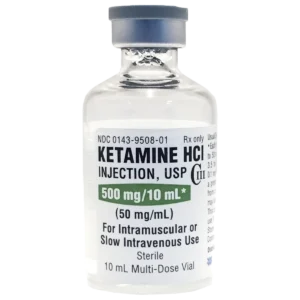
 Ketamine Liquid 500mg/10ml $500.00 – $5,500.00Price range: $500.00 through $5,500.00
- Ketamine Powder 250mg $600.00 – $25,000.00Price range: $600.00 through $25,000.00
What Is PTSD?
Post-traumatic stress disorder is a mental-health condition that can develop after exposure to a traumatic event. Trauma can involve experiences such as:
- Serious accidents
- Violence
- Abuse
- Natural disasters
- Military combat
- Sexual assault
- Serious injury
- The unexpected death of someone close
- Other frightening or life-threatening experiences
Not everyone who experiences trauma develops PTSD. Symptoms can involve several areas of functioning.
Intrusive Symptoms
A person may experience unwanted memories, distressing dreams, flashbacks, and emotional distress when reminded of the trauma.
Avoidance
Some people attempt to avoid people, places, conversations, activities, thoughts, feelings, or situations associated with the traumatic experience.
Changes in Mood and Thinking
PTSD can involve persistent negative thoughts, emotional numbness, feelings of guilt or shame, difficulty experiencing positive emotions, and detachment from others.
Changes in Arousal and Reactivity
Symptoms can include irritability, difficulty sleeping, hypervigilance, startle responses, and difficulty concentrating.
PTSD can be complex, and treatment should be tailored to the individual’s circumstances.
- Ketamine Liquid 500mg/10ml $500.00 – $5,500.00Price range: $500.00 through $5,500.00
- Ketamine Powder 250mg $600.00 – $25,000.00Price range: $600.00 through $25,000.00
Why Is Ketamine Being Studied for PTSD?
Ketamine has generated interest among researchers because its pharmacological effects differ from those of many traditional psychiatric medications. Ketamine primarily affects the brain’s glutamate system, including NMDA receptors — see our overview of how ketamine therapy works for more on this mechanism.
Researchers are investigating whether changes involving glutamate signaling, synaptic plasticity, and related neural processes may contribute to improvements in PTSD symptoms. There is also interest in whether ketamine may temporarily increase psychological flexibility or alter the way traumatic memories and emotional experiences are processed.
However, research into the best ways to use ketamine for PTSD is ongoing. Patients should therefore distinguish between “there is research investigating ketamine for PTSD” and “ketamine is a proven cure for PTSD.” The first statement reflects the current research landscape. The second is an unsupported claim.
- Ketamine Liquid 500mg/10ml $500.00 – $5,500.00Price range: $500.00 through $5,500.00
- Ketamine Powder 250mg $600.00 – $25,000.00Price range: $600.00 through $25,000.00
Can Ketamine Help PTSD?
Research has produced promising findings in some studies, but ketamine should not be considered a universally effective PTSD treatment. Some research has found reductions in PTSD symptoms following ketamine treatment, while researchers continue to investigate:
- Which patients are most likely to respond
- How long improvements persist
- Optimal treatment schedules
- Whether psychotherapy improves outcomes
- How ketamine compares with established PTSD treatments
- Which PTSD symptoms respond most strongly
Individual outcomes can vary substantially. Anyone considering ketamine for PTSD should discuss the current evidence with a qualified clinician.
- Ketamine Liquid 500mg/10ml $500.00 – $5,500.00Price range: $500.00 through $5,500.00
- Ketamine Powder 250mg $600.00 – $25,000.00Price range: $600.00 through $25,000.00
Ketamine for PTSD vs. Established PTSD Treatments
Evidence-based PTSD care can include psychotherapy, medication, or combinations of treatments. Psychotherapies commonly used for PTSD include approaches such as:
- Trauma-focused cognitive behavioral therapy
- Cognitive processing therapy
- Prolonged exposure therapy
- Eye movement desensitization and reprocessing (EMDR)
Depending on the individual, medications may also be considered. Ketamine may be discussed as an additional or alternative treatment option in selected circumstances, but it should not automatically replace established PTSD treatments. A qualified clinician can help determine which options are appropriate.
- Ketamine Liquid 500mg/10ml $500.00 – $5,500.00Price range: $500.00 through $5,500.00
- Ketamine Powder 250mg $600.00 – $25,000.00Price range: $600.00 through $25,000.00
What Is Ketamine-Assisted Psychotherapy for PTSD?
Some patients are particularly interested in combining ketamine treatment with psychotherapy. This approach may be referred to as ketamine-assisted psychotherapy (KAP). A treatment program may involve:
Assessment → preparation → supervised ketamine treatment → psychotherapy/integration → follow-up
The theory behind combining the approaches is that changes in emotional processing or perception associated with ketamine may create an opportunity for therapeutic work. However, the precise role, timing, and effectiveness of ketamine-assisted psychotherapy for PTSD remain areas of clinical research.
If you’re considering KAP in Miami, ask whether the provider actually includes psychotherapy rather than assuming that all ketamine clinics offer it.
- Ketamine Liquid 500mg/10ml $500.00 – $5,500.00Price range: $500.00 through $5,500.00
- Ketamine Powder 250mg $600.00 – $25,000.00Price range: $600.00 through $25,000.00
What Happens During Ketamine Treatment for PTSD?
The exact protocol depends on the provider, medication formulation, administration method, and patient’s circumstances. A medically supervised program may involve several steps.
1. Initial Assessment
The provider evaluates the patient’s PTSD symptoms, trauma history, psychiatric history, medical history, current medications, previous treatments, substance-use history, and potential contraindications.
2. Treatment Planning
If ketamine is considered appropriate, the clinician discusses treatment goals, administration method, expected effects, potential risks, number and frequency of sessions, and follow-up care.
3. Supervised Administration
Ketamine is administered using the provider’s clinical protocol. Possible administration methods vary by medication and clinical setting.
4. Monitoring
Patients may be monitored for physiological and psychological responses during treatment.
5. Recovery
Temporary effects may include altered perception, dissociation, drowsiness, dizziness, nausea, or changes in coordination.
6. Follow-Up and Integration
The clinician evaluates the patient’s response and determines whether further treatment is appropriate. Psychotherapy may be incorporated into the broader treatment plan.
- Ketamine Liquid 500mg/10ml $500.00 – $5,500.00Price range: $500.00 through $5,500.00
- Ketamine Powder 250mg $600.00 – $25,000.00Price range: $600.00 through $25,000.00
What Does Ketamine Feel Like?
Ketamine can produce an altered state of consciousness. Patients may describe:
- A dreamlike state
- Changes in perception
- Altered time perception
- Feelings of detachment
- Changes in body awareness
- Emotional shifts
- Drowsiness
Possible Unpleasant Effects
Some people may find these effects uncomfortable, including:
- Anxiety
- Confusion
- Nausea
- Dizziness
- Distress
- Temporary increases in blood pressure
Patients should know what to expect before treatment begins.
Can Ketamine Make PTSD Symptoms Worse?
Any psychiatric treatment can have different effects depending on the individual. Ketamine can temporarily alter perception and emotional experience, which may be uncomfortable for some patients. This makes careful screening particularly important for people with complex psychiatric histories.
A clinician should consider:
- Current symptoms
- Psychiatric diagnoses
- Medication interactions
- History of substance misuse
- Previous reactions to ketamine
- Cardiovascular health
- Potential risks associated with altered states of consciousness
Patients should tell their provider about previous adverse reactions to medications or psychiatric treatments.
- Ketamine Liquid 500mg/10ml $500.00 – $5,500.00Price range: $500.00 through $5,500.00
- Ketamine Powder 250mg $600.00 – $25,000.00Price range: $600.00 through $25,000.00
Is Ketamine Safe for PTSD?
Ketamine has legitimate medical applications, but it is not risk-free. Potential short-term effects can include:
- Increased blood pressure
- Increased heart rate
- Dizziness
- Nausea
- Drowsiness
- Dissociation
- Altered perception
- Confusion
- Temporary coordination problems
- Anxiety
Repeated non-medical use can introduce additional risks, including problematic use and urinary or bladder complications — see our full guide to ketamine therapy side effects and safety. Medical supervision allows clinicians to screen patients, monitor treatment, and respond to complications.
- Ketamine Liquid 500mg/10ml $500.00 – $5,500.00Price range: $500.00 through $5,500.00
- Ketamine Powder 250mg $600.00 – $25,000.00Price range: $600.00 through $25,000.00
Who May Be a Candidate for Ketamine Therapy for PTSD?
Eligibility is determined individually. A clinician may consider:
- Severity and duration of PTSD symptoms
- Previous PTSD treatments
- Response to psychotherapy
- Response to medications
- Other psychiatric conditions
- Medical history
- Cardiovascular health
- Blood pressure
- Current medications
- Substance-use history
- Potential contraindications
There is no online questionnaire that can reliably determine whether someone is a suitable candidate.
- Ketamine Liquid 500mg/10ml $500.00 – $5,500.00Price range: $500.00 through $5,500.00
- Ketamine Powder 250mg $600.00 – $25,000.00Price range: $600.00 through $25,000.00
Who May Need to Avoid or Use Extra Caution With Ketamine?
Certain medical and psychiatric circumstances may make ketamine inappropriate or require additional precautions. Potential concerns may include:
- Uncontrolled hypertension
- Certain cardiovascular conditions
- Certain psychiatric conditions
- Medication interactions
- Substance-use concerns
- Pregnancy-related considerations
- Certain liver or other medical conditions
The appropriate decision depends on the individual and the treatment protocol. A qualified healthcare professional should make the final determination.
- Ketamine Liquid 500mg/10ml $500.00 – $5,500.00Price range: $500.00 through $5,500.00
- Ketamine Powder 250mg $600.00 – $25,000.00Price range: $600.00 through $25,000.00
How Much Does Ketamine Therapy for PTSD Cost in Miami?
Costs vary between providers and treatment programs. Potential expenses can include:
- Initial consultation
- Medical evaluation
- Medication
- Administration
- Monitoring
- Treatment sessions
- Psychotherapy
- Integration sessions
- Follow-up appointments
Some providers charge per treatment, while others offer packages. For a broader discussion of local pricing, see our guide to ketamine therapy cost in Miami. Patients should request an itemized estimate before starting treatment.
- Ketamine Liquid 500mg/10ml $500.00 – $5,500.00Price range: $500.00 through $5,500.00
- Ketamine Powder 250mg $600.00 – $25,000.00Price range: $600.00 through $25,000.00
Does Insurance Cover Ketamine Treatment for PTSD?
Insurance coverage depends on the specific treatment, provider, diagnosis, insurance plan, and applicable coverage criteria. Patients should ask their insurance company about:
- PTSD treatment coverage
- Psychiatric services
- Psychotherapy
- Medication coverage
- Ketamine-related services
- Prior authorization
- Deductibles
- Copayments
- Out-of-network benefits
A provider’s billing department may also be able to explain which services are potentially billable to insurance.
- Ketamine Liquid 500mg/10ml $500.00 – $5,500.00Price range: $500.00 through $5,500.00
- Ketamine Powder 250mg $600.00 – $25,000.00Price range: $600.00 through $25,000.00
How to Choose a Ketamine Provider for PTSD in Miami
Choosing a provider requires more than searching for the cheapest treatment.
Verify Professional Credentials
Determine who is evaluating and treating patients.
Ask About PTSD-Specific Experience
Ask whether the clinical team has experience treating PTSD and trauma-related conditions.
Ask About Screening
A responsible provider should conduct an appropriate assessment before recommending treatment.
Ask About Monitoring
Understand what happens during treatment and what physiological measurements are monitored.
Ask About Psychotherapy
If your goal is ketamine-assisted psychotherapy, confirm whether qualified mental-health professionals are involved.
Ask About Follow-Up
Find out how treatment response is evaluated after each session.
Ask About the Evidence
A good provider should be able to explain what is known, what remains uncertain, and why the treatment is being recommended.
- Ketamine Liquid 500mg/10ml $500.00 – $5,500.00Price range: $500.00 through $5,500.00
- Ketamine Powder 250mg $600.00 – $25,000.00Price range: $600.00 through $25,000.00
Questions to Ask a Miami Ketamine Clinic
Before scheduling treatment, consider asking:
- Do you treat patients with PTSD?
- What evidence supports ketamine for my particular situation?
- Who will conduct my medical and psychiatric evaluation?
- Who administers and supervises treatment?
- What form of ketamine is used?
- How is it administered?
- How are patients monitored?
- What side effects should I expect?
- How long does a treatment session take?
- How many sessions might be recommended?
- What happens if I don't respond?
- Is trauma-focused psychotherapy available?
- Are integration sessions included?
- What is the total cost?
- What follow-up care is provided?
- Ketamine Liquid 500mg/10ml $500.00 – $5,500.00Price range: $500.00 through $5,500.00
- Ketamine Powder 250mg $600.00 – $25,000.00Price range: $600.00 through $25,000.00
Ketamine Therapy and Trauma-Focused Therapy
For PTSD, medication-based treatment and psychotherapy can address different aspects of the condition. Trauma-focused therapy may help people process traumatic memories and develop healthier responses to trauma-related thoughts, emotions, and situations. Ketamine may affect brain signaling and symptoms in a different way.
Some treatment models explore combining the two. However, ketamine should not be presented as a replacement for evidence-based trauma therapy without considering the patient’s individual circumstances.
- Ketamine Liquid 500mg/10ml $500.00 – $5,500.00Price range: $500.00 through $5,500.00
- Ketamine Powder 250mg $600.00 – $25,000.00Price range: $600.00 through $25,000.00
What Should You Do After Ketamine Treatment?
Follow your healthcare provider’s instructions after treatment. Because ketamine may temporarily affect perception, alertness, coordination, and judgment, patients may be instructed to avoid driving or other activities until they have recovered. Your provider may recommend:
- Rest
- Transportation arrangements
- Avoiding alcohol or other substances
- Follow-up appointments
- Continued psychotherapy
- Integration work
- Monitoring changes in PTSD symptoms
The exact recommendations depend on the treatment protocol.
- Ketamine Liquid 500mg/10ml $500.00 – $5,500.00Price range: $500.00 through $5,500.00
- Ketamine Powder 250mg $600.00 – $25,000.00Price range: $600.00 through $25,000.00
When PTSD Becomes an Emergency
PTSD can sometimes occur alongside severe depression, substance-use problems, self-harm, or suicidal thoughts. If you or someone else is in immediate danger or may act on thoughts of suicide or self-harm, seek emergency medical or psychiatric assistance immediately. Do not wait for a routine ketamine consultation.
- Call or text 988 — the 988 Suicide & Crisis Lifeline (US), available 24/7
- Text HOME to 741741 — Crisis Text Line
- Call 911 or go to the nearest emergency room for immediate danger
The U.S. Department of Veterans Affairs National Center for PTSD is also a resource for PTSD-specific information and support.
- Ketamine Liquid 500mg/10ml $500.00 – $5,500.00Price range: $500.00 through $5,500.00
- Ketamine Powder 250mg $600.00 – $25,000.00Price range: $600.00 through $25,000.00
Ketamine for PTSD in Miami: Frequently Asked Questions
Is ketamine therapy available for PTSD in Miami?
Some medical providers in the Miami area offer ketamine-based treatment to selected patients. Availability and eligibility vary by provider.
Is ketamine FDA-approved specifically for PTSD?
Ketamine’s regulatory status depends on the specific formulation and indication. Ketamine itself has established medical uses, while its use for psychiatric conditions can involve different regulatory circumstances. Patients should ask their clinician exactly which formulation is being used and for what indication.
Does ketamine cure PTSD?
No. Ketamine should not be marketed as a guaranteed cure for PTSD. Research suggests potential benefits for some patients, but responses vary and research continues.
How quickly can ketamine affect PTSD symptoms?
Some studies have reported relatively rapid symptom changes. However, individual responses differ, and rapid improvement is not guaranteed.
How long do ketamine's effects on PTSD last?
The duration of benefit varies. Researchers continue to study how long improvements persist and what treatment strategies may maintain them.
How many ketamine treatments are needed for PTSD?
There is no universally applicable number. Treatment frequency and duration depend on the individual and the clinical protocol.
Can ketamine replace PTSD therapy?
It should not automatically replace established PTSD treatments. Psychotherapy remains an important treatment option for PTSD, and some programs investigate combining psychotherapy with ketamine.
Is ketamine-assisted psychotherapy available in Miami?
Some providers may offer ketamine-assisted psychotherapy or coordinate psychotherapy with ketamine treatment. Confirm exactly what services are included before scheduling.
Is ketamine safe for people with PTSD?
Ketamine has medical risks and isn’t appropriate for everyone. Proper screening and clinical supervision are important.
How much does ketamine treatment for PTSD cost in Miami?
Costs vary based on treatment type, number of sessions, evaluation, monitoring, psychotherapy, follow-up, and insurance.
Can I buy ketamine online to treat PTSD?
People should not attempt to obtain ketamine from unauthorized sources for self-treatment. Ketamine should be used through appropriate medical channels.
- Ketamine Liquid 500mg/10ml $500.00 – $5,500.00Price range: $500.00 through $5,500.00
- Ketamine Powder 250mg $600.00 – $25,000.00Price range: $600.00 through $25,000.00
Related Miami Ketamine Guides
- Ketamine Liquid 500mg/10ml $500.00 – $5,500.00Price range: $500.00 through $5,500.00
- Ketamine Powder 250mg $600.00 – $25,000.00Price range: $600.00 through $25,000.00
Final Thoughts on Ketamine Therapy for PTSD in Miami
Ketamine is an important area of ongoing PTSD research, particularly because of its potentially rapid effects and distinctive mechanism of action. But promising research should not be confused with a guaranteed treatment.
For Miami residents considering ketamine therapy for PTSD, the most important step is finding an appropriately qualified healthcare professional who can evaluate the individual’s diagnosis, medical history, treatment history, and potential risks.
Patients should also understand what is included in the treatment program, whether psychotherapy is available, how monitoring is performed, what follow-up looks like, and what the total cost will be. Ketamine may be one potential component of a broader PTSD treatment strategy — but treatment decisions should be individualized and medically supervised.
Psychedelics Solution — +1 (854) 289-9996
Medical Disclaimer
This article is for educational purposes only and does not constitute medical advice, diagnosis, or treatment. Ketamine is a prescription medication and should only be used through appropriate medical channels and under qualified clinical supervision. If you or someone you know is experiencing an immediate mental-health emergency, seek emergency assistance immediately — call or text 988, or call 911.
3 Comments
[…] example, someone searching for “ketamine therapy for PTSD in Miami” should understand that research into ketamine for PTSD does not mean that every person with PTSD […]
[…] Ketamine therapy for PTSD in Miami September 4, 2026 […]
[…] Ketamine therapy for PTSD in Miami September 4, 2026 […]