What Is Ketamine Powder? Pharmaceutical Ketamine Explained

What Is Ketamine Powder? Pharmaceutical Ketamine Explained

What pharmaceutical ketamine is, how ketamine powder differs from other formulations, medical uses, effects, risks, and safety considerations.

Educational information — not medical advice. Last reviewed: [September 2026].

Ketamine powder is a powdered form of ketamine, a medication with established medical applications.

Ketamine has been used for decades in medicine, particularly as an anesthetic. It has also been investigated extensively for pain management and psychiatric conditions such as treatment-resistant depression.

However, the phrase “ketamine powder” can describe very different things depending on context. Pharmaceutical ketamine is manufactured under regulated conditions with defined composition and quality standards. A powder sold outside regulated medical channels may have an uncertain identity, concentration, purity, or contamination profile.

That distinction is critical.

This guide explains what ketamine powder is, how pharmaceutical ketamine is produced and used, how it differs from other ketamine formulations, what ketamine does in the body, and the major safety considerations. It’s part of our complete ketamine powder guide.

Guide Contents

Table of Contents

About This Resource: Psychedelics Solution

This guide is published by Psychedelics Solution as an educational resource, independent of any specific treatment page. Psychedelics Solution is based at 325 Whispering Pines Circle, Dallas, TX 75240.

Phone: +1 (854) 289-9996

What Is Ketamine?

Ketamine is a dissociative anesthetic medication that affects several systems in the central nervous system. One of its best-known pharmacological actions involves NMDA receptors, which are part of the glutamate neurotransmitter system. Ketamine can produce:

Its pharmacological effects have also made ketamine an important subject of psychiatric research.

What Does Ketamine Powder Contain?

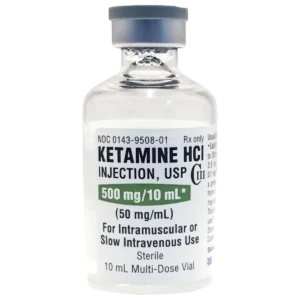
Pharmaceutical ketamine is commonly supplied as ketamine hydrochloride, a salt form of ketamine. The exact composition of a pharmaceutical product depends on the manufacturer and formulation. A regulated pharmaceutical product has defined specifications for its active ingredient and other components.

An unidentified powder marketed as “ketamine” cannot be assumed to have the same composition. This is one of the most important differences between pharmaceutical ketamine and unregulated products.

Is Ketamine Powder the Same as Ketamine?

Not necessarily. “Ketamine” describes the medication or active pharmaceutical ingredient. “Ketamine powder” describes a physical form. Ketamine can be formulated into different pharmaceutical preparations depending on its intended medical use.

Therefore, ketamine is the medication while ketamine powder is a physical form of ketamine.

The physical form does not by itself determine whether a product is pharmaceutical-grade, medically appropriate, or legally obtained.

What Is Ketamine Hydrochloride?

Ketamine hydrochloride is a salt form of ketamine used in pharmaceutical preparations. The hydrochloride component allows the active drug to be formulated into a stable pharmaceutical product. It is commonly encountered in medical ketamine products.

However, the presence of the words “ketamine hydrochloride” on a label does not by itself prove that a product obtained outside an authorized supply chain is genuine. Authenticity and pharmaceutical quality depend on the source and regulatory controls surrounding the product.

Pharmaceutical Ketamine vs. Unidentified Ketamine Powder

This distinction deserves special attention.

CharacteristicPharmaceutical KetamineUnidentified Powder
SourceRegulated pharmaceutical supplyUnknown or unverified
Active ingredientDefinedUncertain
ConcentrationControlledMay be unknown
Manufacturing standardsRegulatedMay be absent
Quality testingRequired within pharmaceutical supply chainsCannot be assumed
Medical labelingStandardizedMay be misleading
Clinical supervisionAvailable when medically prescribedUsually absent
Legal statusDepends on jurisdiction and useMay be unlawful

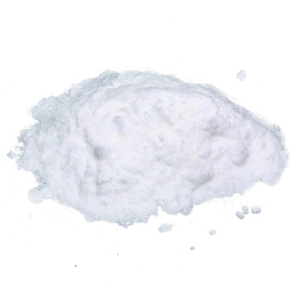
A powder’s appearance cannot establish its identity or purity.

What Does Ketamine Powder Look Like?

Pharmaceutical ketamine may appear as a white or off-white crystalline powder when encountered in certain pharmaceutical contexts. However, appearance is not a reliable method of identification. Many substances can look similar. Color, texture, or crystal structure cannot reliably determine:

This is why unidentified powders should not be assumed to be ketamine simply because they resemble descriptions found online.

How Does Ketamine Work?

Ketamine has complex effects on the brain. One major mechanism involves its interaction with NMDA receptors, which are involved in glutamate signaling. Glutamate is an important neurotransmitter involved in learning, memory, neural communication, and synaptic plasticity.

Ketamine can alter glutamate-related signaling and downstream neural pathways. Researchers believe these effects may help explain some of ketamine’s distinctive psychological and therapeutic properties.

Learn more in our detailed guide: How Ketamine Works: NMDA Receptors, Glutamate & Neuroplasticity.

What Are the Medical Uses of Ketamine?

Ketamine has established medical applications. Historically, it has been widely used as an anesthetic. It has also been used in certain pain-management contexts. In psychiatry, ketamine has been extensively researched for conditions including:

The evidence and regulatory status differ depending on the condition and formulation.

Ketamine as an Anesthetic

Ketamine was developed as an anesthetic and remains an important medication in anesthesia and emergency medicine. It has several properties that distinguish it from many other anesthetic medications. For example, ketamine can produce analgesia, dissociation, sedation, and anesthesia. Its cardiovascular and respiratory effects also contribute to how clinicians select and use it in different circumstances. Medical professionals determine whether ketamine is appropriate based on the patient’s condition and the clinical situation.

Ketamine and Pain Management

Ketamine has analgesic properties and has been investigated and used in certain pain-management settings. Its effects on the nervous system can influence the perception and processing of pain. Research has examined ketamine in contexts including certain forms of difficult-to-treat pain. However, ketamine is not appropriate for every pain condition, and treatment decisions should be made by qualified clinicians.

Ketamine and Depression

Ketamine has generated substantial interest in psychiatry because some patients with treatment-resistant depression experience relatively rapid reductions in symptoms following certain ketamine treatments. Researchers are studying glutamate signaling, synaptic plasticity, neural connectivity, emotional processing, and rapid antidepressant effects. Ketamine is not a guaranteed treatment for depression; individual responses vary, and treatment should be clinically supervised.

Read more: Ketamine for Depression.

Ketamine and PTSD

Researchers have investigated ketamine for PTSD because of its potential effects on emotional processing, fear-related learning, and neuroplasticity. Some studies have reported reductions in PTSD symptoms. However, research continues to develop, and ketamine should not be represented as a universal cure for PTSD.

Read more: Ketamine for PTSD.

Ketamine and Anxiety

Ketamine has also been investigated for certain anxiety symptoms. Research has explored its potential effects in people experiencing severe anxiety, particularly when anxiety occurs alongside depression. Evidence differs between anxiety disorders. A qualified clinician should determine whether ketamine is an appropriate treatment option.

Read more: Ketamine for Anxiety.

Psychological Effects

Physical Effects

Effects depend on the clinical context and individual factors.

Why Does Ketamine Cause Dissociation?

Dissociation is one of ketamine’s characteristic effects. A person may temporarily experience a changed sense of self, body, environment, time, and perception. Researchers continue studying the relationship between ketamine-induced dissociation and its therapeutic effects. An intense dissociative experience should not automatically be interpreted as evidence of greater therapeutic benefit.

Is Ketamine a Psychedelic?

Ketamine is sometimes grouped with psychedelic therapies because it can produce profound changes in perception and consciousness. Pharmacologically, however, ketamine is generally classified as a dissociative anesthetic. It differs from classic psychedelics such as psilocybin and LSD in its primary pharmacological mechanisms. This distinction is important when interpreting research.

Is Ketamine Powder Safe?

Safety depends heavily on the product, clinical context, and individual patient. Pharmaceutical ketamine can be used safely in appropriate medical circumstances when administered by qualified professionals. However, ketamine can cause adverse effects. Potential short-term effects include:

Unidentified powders introduce additional risks because their contents may not be known. See our full guide: Ketamine Powder Side Effects.

What Are the Long-Term Risks of Ketamine?

Repeated or heavy ketamine exposure can be associated with serious complications — see our full guide, Long-Term Ketamine Risks. Potential concerns include:

The risk profile depends on the pattern of exposure and the individual’s circumstances.

Ketamine and Bladder Problems

One of the most important long-term concerns associated with repeated heavy ketamine exposure is urinary-system damage — see our dedicated guide, Ketamine and Bladder Problems. Potential symptoms include:

Persistent urinary symptoms should be medically evaluated.

Can Ketamine Be Addictive?

Ketamine can be misused and can contribute to problematic substance use — see our full guide, Ketamine Dependence and Addiction. Potential warning signs include:

Anyone concerned about problematic ketamine use should seek professional help.

How Is Ketamine Powder Different From Ketamine Therapy?

These terms describe different concepts. Ketamine powder describes a physical form of the medication. Ketamine therapy describes a clinical treatment approach involving ketamine under appropriate medical supervision. A legitimate ketamine treatment program can include:

Medical assessment → Treatment planning → Administration → Monitoring → Recovery → Follow-up

The medication is only one component of the overall clinical process.

Ketamine Powder and Medical Supervision

Ketamine treatment should be based on an appropriate medical assessment. A clinician may review:

This helps determine whether ketamine is appropriate.

Can Ketamine Powder Be Used for Self-Treatment?

Using unidentified ketamine powder for self-treatment is unsafe. There may be uncertainty about:

People considering ketamine for a medical or psychiatric condition should consult an appropriately qualified healthcare professional.

Is Ketamine Powder Legal?

The legal status of ketamine depends on the jurisdiction and circumstances. Factors can include:

Pharmaceutical ketamine should be obtained through authorized medical channels. Because laws can change, jurisdiction-specific legal questions should be checked against current official sources. See our full guide: Ketamine Legal Status.

Why Pharmaceutical Quality Matters

Pharmaceutical medicines are manufactured according to defined quality standards. Quality controls can address:

Unregulated products do not necessarily have these protections. This is particularly important with powders because visual inspection cannot reliably establish pharmaceutical quality.

Ketamine Powder Frequently Asked Questions

What exactly is ketamine powder?

Ketamine powder is ketamine in powdered physical form. In medical contexts, ketamine may exist as part of regulated pharmaceutical preparations. Unidentified powders sold as ketamine cannot automatically be assumed to be pharmaceutical-grade.

Is ketamine powder the same as pharmaceutical ketamine?

Not necessarily. Pharmaceutical ketamine comes from a regulated supply chain with defined quality standards. An unidentified powder may have uncertain identity, purity, concentration, or contaminants.

What is ketamine hydrochloride?

Ketamine hydrochloride is a salt form of ketamine commonly used in pharmaceutical preparations.

What is ketamine used for?

Ketamine has established medical uses, particularly anesthesia, and has also been investigated or used in certain clinical contexts involving pain and psychiatric conditions.

Does ketamine affect the brain?

Yes. Ketamine affects several neural systems, including glutamate signaling and NMDA receptors.

What does ketamine feel like?

Ketamine can cause dissociation, altered perception, changes in awareness, drowsiness, dizziness, and other psychological or physical effects.

Is ketamine a psychedelic?

Ketamine is generally classified pharmacologically as a dissociative anesthetic, although it can produce psychedelic-like alterations in perception and consciousness.

Is ketamine addictive?

Ketamine can be misused and can lead to problematic use and dependence.

Can ketamine damage the bladder?

Repeated heavy exposure has been associated with serious urinary and bladder complications.

Is ketamine used for depression?

Ketamine has been extensively studied for depression, particularly treatment-resistant depression, and some patients experience rapid symptom improvement.

Is ketamine used for PTSD?

Ketamine is being researched and used in some clinical contexts involving PTSD, although evidence and treatment approaches vary.

Is ketamine powder legal?

Ketamine is regulated in many jurisdictions. The legality of possessing, obtaining, selling, importing, or using it depends on local law and circumstances.

Can you identify ketamine powder by appearance?

No. Appearance alone cannot reliably establish a powder’s chemical identity, purity, concentration, or safety.
Key Takeaways

If you’re researching ketamine powder, remember these five points:

1. Ketamine is an established medical medication.

It has a long history of medical use, particularly in anesthesia.

2. Powder is a physical form, not a guarantee of pharmaceutical quality.

An unidentified powder should never automatically be assumed to be pharmaceutical ketamine.

3. Ketamine has complex effects on the brain.

Its interaction with glutamate and NMDA receptors is an important part of its pharmacology.

4. Ketamine has legitimate therapeutic applications but also meaningful risks.

Short-term effects can include dissociation, nausea, dizziness, increased blood pressure, and impaired coordination. Repeated heavy exposure can create additional risks.

5. Medical supervision matters.

Appropriate assessment, regulated medication, monitoring, and follow-up are important components of safe clinical care.

Final Thoughts

Ketamine powder is not simply a consumer product category.

Ketamine is a powerful prescription medication with legitimate medical applications, significant therapeutic research, and important safety considerations.

The most important distinction is between regulated pharmaceutical ketamine used in appropriate healthcare settings and powders obtained from unknown or unauthorized sources.

If you’re researching ketamine because you’re considering it for a medical or psychiatric condition, speak with a qualified healthcare professional who can assess your circumstances, explain available treatment options, and discuss potential risks and benefits.

Continue with our complete ketamine powder guide.

Medical Disclaimer

This article is provided for educational purposes only and does not constitute medical advice, diagnosis, or treatment. Ketamine is a prescription medication and should only be used through appropriate medical channels and under qualified clinical supervision. Laws and regulations vary by jurisdiction and may change over time.